
Dehydrated Skin vs. Dry Skin: How to Identify and Fix Both
Quick Answer: Often used interchangably, it's important to note dry skin and dehydrated skin are not the same thing. Dry skin lacks oil, and it is a skin type you are born with. Dehydrated skin lacks water, which can be a temporary or chronic condition anyone can get. Dry skin needs lipid-rich creams with ceramides. Dehydrated skin needs hydrating serums with hyaluronic acid, sealed in with an occlusive layer.
Why Do People Confuse Dry Skin and Dehydrated Skin?
Both feel tight. Both feel uncomfortable. Both might be irritable, sensitive, flaky and uncomfortable. But they have different causes and different fixes.
This is one of the most common skincare mistakes.
What Is Dry Skin?
Dry skin is a skin type, not a condition. It is considered a skin type like others including oily, combination, normal or dry skin. It is genetic. In this case, your sebaceous glands produce less oil than normal.
Signs of dry skin:
- Feels consistently tight, even after moisturizer
- Looks dull or rough-textured
- Often itchy or flaky
- Gets worse in cold, dry weather
- Does not improve much with hydrating products alone
- You are not oily anywhere on the face
Root cause: Your skin simply makes less sebum. The barrier has fewer ceramides, cholesterol, and fatty acids. No amount of water-based hydration changes this.
What Is Dehydrated Skin?
Dehydrated skin is a condition, not a type. It means your skin is losing water faster than it can hold onto it. Transepidermal Water Loss (TEWL) is at play here. Did you know even oily skin can be dehydrated?
Signs of dehydrated skin:
- Flaky skin in some areas
- Feels tight but may still look oily in some areas
- Fine lines appear suddenly (they were not there 2-3 weeks ago)
- Gets much worse in low humidity
- Improves fast with hydrating products
- Feels uncomfortable right after cleansing
- Skin looks less plump than normal
Root cause: Water is leaving the skin faster than it is being replaced. Common triggers include dehydration, low humidity, over-exfoliation, harsh cleansers, poor sleep, and high caffeine or alcohol intake.
How Can You Tell Which One You Have?
Ask yourself these questions:
- "Is my skin oily anywhere?" — Dry skin: No. Dehydrated skin: Often yes.
- "Does my skin improve fast with hydrating products?" — Dry skin: Barely. Dehydrated skin: Yes, often within hours.
- "Does humidity help?" — Dry skin: Not much. Dehydrated skin: A lot.
- "Did fine lines appear suddenly?" — Dry skin: Lines are stable. Dehydrated skin: Lines come and go with hydration.
Try the plump test
Apply a deeply hydrating serum to one half of your face. Wait 15 minutes. Compare both sides.
- If dehydrated: The treated side looks noticeably plumper, smoother, and more radiant. Fine lines soften.
- If dry: The treated side feels slightly smoother, but tightness stays. No big change in plumpness.
How Do You Fix Dry Skin?
Dry skin needs lipid replacement. You must give the barrier the oils it does not make on its own.
Key ingredients for dry skin
- Ceramides — the core barrier lipid. The most important ingredient for dry skin.
- Cholesterol — a structural part of the barrier.
- Fatty acids (linoleic, oleic) — seal the barrier.
- Niacinamide — helps the skin produce its own lipids over time.
- Squalane, jojoba, or rosehip oil — natural lipid support.
Dry skin routine
Morning:
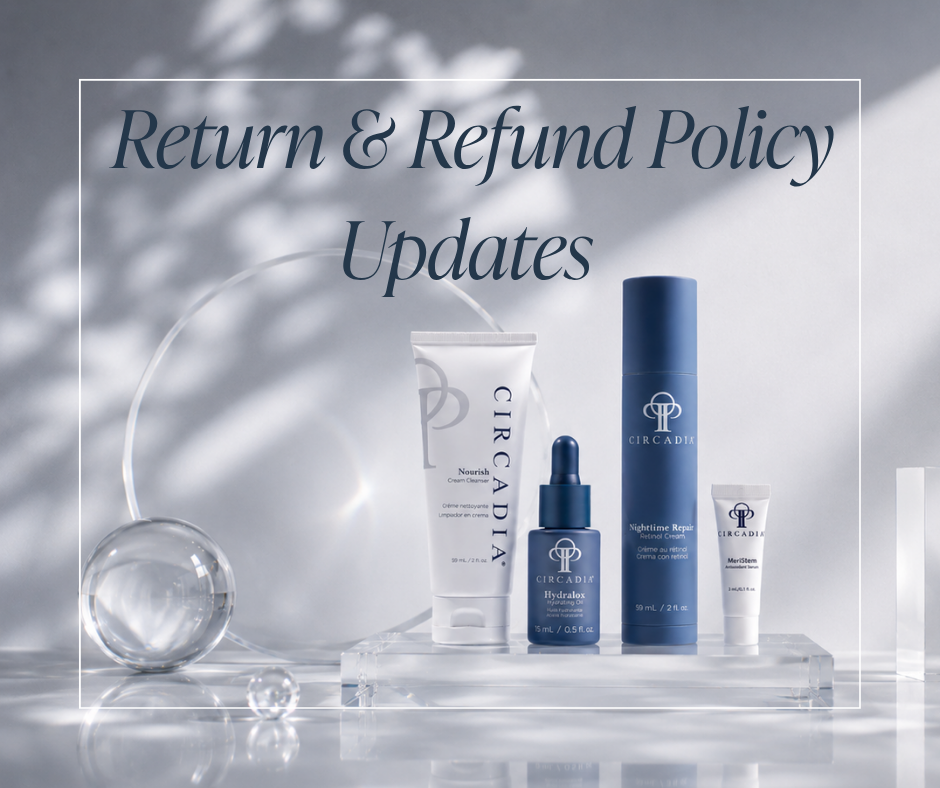
- Gentle cream cleanser (no foaming) like Nourish Cream Cleanser
- Antioxidant serum (Vitamin C Reversal Serum, if tolerated)
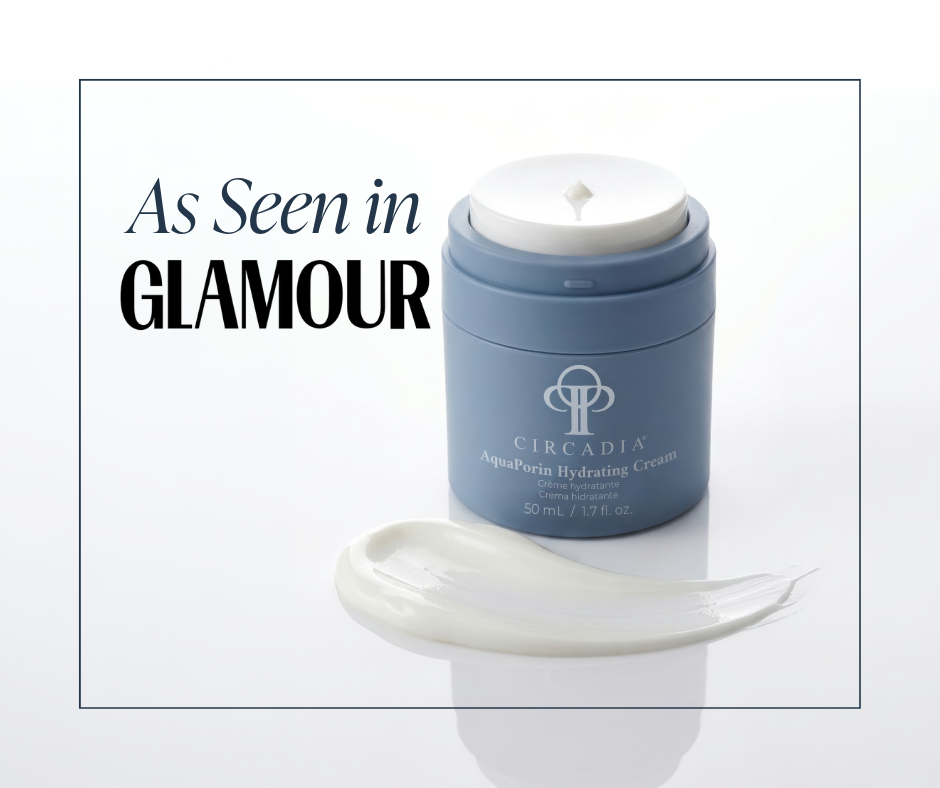
- Rich cream moisturizer with ceramides and fatty acids like Aquaporin
- Sunscreen, like Light-Day Broad Spectrum SPF
Night:
- Oil-based cleanser, such as Vitamin Veil
- Cream cleanser, such as Nourish Cream Cleanser
- Gentle treatment (niacinamide or peptide serum like Serum 71)
- Rich occlusive night cream with ceramides, cholesterol, and fatty acids like Aquaporin or Revita-Cyte.
Important: Avoid foaming cleansers — they strip lipids. Skip strong actives (retinoids, hydroxy acids) until the barrier improves, usually 4-8 weeks.
Timeline
- Weeks 1-2: Skin feels more comfortable and soft.
- Weeks 2-4: Rough texture and tightness decrease.
- Weeks 4-8: Barrier gets noticeably stronger.
- Weeks 8-12: Skin holds moisture better on its own.
How Do You Fix Dehydrated Skin?
Dehydrated skin needs water delivered in + sealed in. That means humectants first, then an occlusive layer on top.
Why the order matters
Humectants like hyaluronic acid and glycerin pull water into the outer skin layers. But if you do not seal them in, that water evaporates within minutes. You must follow with an occlusive layer to trap the moisture.
Key ingredients for dehydrated skin
Humectants (deliver water):
- Hyaluronic acid — holds up to 1,000x its weight in water
- Glycerin — draws moisture from air and deeper skin layers
- Panthenol — humectant + barrier support
- Amino acids and aloe vera — gentle, natural humectants
Occlusives (seal water in):
- Ceramides — seal and repair the barrier
- Squalane and jojoba oil — lightweight occlusion
- Beeswax or lanolin — heavier occlusion
Dehydrated skin routine
Morning:
- Gentle, non-stripping cleanser like Nourish Cream Cleanser
- Hydrating serum with hyaluronic acid like Vitamin C Reversal Serum
- Lightweight moisturizer such as Aqua-Biotic Balancing Moisturizer
- SPF 30+
Night:
- Gentle cream cleanser like Nourish Cream Cleanser
- Rich hydrating serum like Moisture on Demand or Hydralox
- Occlusive night cream or facial oil on top like Aquaporin mixed with a few drops of Hydralox
Timeline
- Hours 1-6: Skin looks plumper right away. Fine lines soften.
- Days 1-3: Texture improves. Skin looks more radiant.
- Week 1: Tightness goes away. Makeup sits better.
- Weeks 2-4: Sustained hydration. Skin feels resilient.
Dehydrated skin can improve within days because the problem is temporary, not structural.
Why Does Nighttime Water Loss Make Dehydration Worse?
This is where circadian rhythm matters. At night:
- Your skin barrier opens up for repair (tight junction proteins decrease).
- Active repair processes consume water.
- Bedroom humidity is often lower than daytime air.
Result: You can wake up more dehydrated than when you went to bed.
The fix is nighttime occlusion — layer hydrating serum, then moisturizer, then an occlusive cream. This seals in moisture while the barrier is open and repair is happening.
Poor sleep also worsens dehydration. It disrupts melatonin (which supports barrier function) and growth hormone (which drives hyaluronic acid production). Get 7-9 hours of sleep and use a humidifier if your bedroom air is dry.
What If You Have Both Dry AND Dehydrated Skin?
Some people have both — low oil production plus high water loss. Treat both at the same time.
- Layer hydrating serums (water delivery) under lipid-rich creams (oil replacement).
- Seal everything with an occlusive night cream.
Expect slower improvement than dehydration alone — about 4-8 weeks — but results are dramatic and long-lasting.
Frequently Asked Questions
Can I fix dry skin with hydrating products alone?
Only partially. Hydrating products help the water side, but dry skin needs lipid-rich creams with ceramides and fatty acids. Hydration is temporary. Lipid replacement creates lasting improvement.
Will dehydrated skin come back after treatment?
It can, if the cause is not fixed. If you keep over-exfoliating, using harsh cleansers, sleeping poorly, and not increasing your daily water intake, dehydration returns. Fix the root cause along with the skin treatment.
Can face oil fix dehydrated skin?
Not by itself. Oils seal in moisture, but they do not deliver it. Use a hydrating serum first, then seal with oil. Oil without hydration underneath will not solve the problem.
Should I stop using actives if my skin is dehydrated?
Yes, temporarily. Retinoids, hydroxy acids, and vitamin C can make dehydration worse. Restore hydration for 1-2 weeks first, then bring actives back slowly at lower doses.
Does drinking more water fix dehydrated skin?
Drinking water helps overall health, but it does not bypass the skin barrier. You still need topical humectants and occlusion.
How does circadian rhythm relate to skin hydration?
Your skin loses more water at night because the barrier opens up for repair. Circadia's nighttime products are designed with heavier occlusion and deeper hydration to match this natural cycle. Daytime products are lighter because the barrier is stronger during the day.
Circadia: In Rhythm With You. Since 1998.