
A Dermatologist's Perspective on Circadia Skin Care
At our recent New York City media event, industry leaders, editors, and skin care experts gathered to explore the science behind Circadia and the future of skin health.
Among the voices shaping the conversation was board-certified celebrity dermatologist Dr. Dendy Engelman, who offered a clinical perspective on circadian rhythms, ingredient technology, and what truly drives long-term skin health.
Her insights reinforced what Circadia has believed for decades: when you work with the skin’s natural function, you unlock better, more sustainable results.
WHY CIRCADIAN RHYTHMS MATTER MORE THAN EVER
Skin is not static. It operates on a biological clock.
During the day, it is in defense mode, working to protect against environmental stressors like UV radiation and pollution. At night, it shifts into repair mode, increasing cellular turnover, hydration loss, and regenerative activity.
As discussed during the event, key processes like epidermal proliferation increase significantly in the evening, while transepidermal water loss peaks between 9 and 11 PM, making nighttime the most critical window for targeted treatment.
Dr. Engelman emphasized how foundational this rhythm is, not just for skin, but for overall health:
“We want to do things to support what the skin is experiencing throughout the day and throughout the evening… to enhance the cellular repair that goes on while we rest.”
A DERMATOLOGIST’S TAKE ON CIRCADIA’S APPROACH
What stood out most to Dr. Engelman was not just the concept of circadian skin care, but how Circadia executes it.
“One of the things I appreciate about Circadia is its focus on working with the skin’s natural circadian rhythm. Skin behaves very differently during the day versus at night, so using formulas that support repair when the skin is most receptive, particularly overnight, can make a meaningful difference in overall skin health.”
Her perspective reflects a growing shift in dermatology. It is no longer just about treating visible concerns, but about supporting the skin’s underlying function over time.
She continued:
“Circadia does a great job of combining well-known, clinically supported ingredients in thoughtful formulations that optimize both protection and recovery, which is really the foundation of effective, long-term skincare.”
This balance between protection and repair is at the core of Circadia’s philosophy and product development.
THE EVOLUTION OF HYDRATION: LOOKING BEYOND THE SURFACE
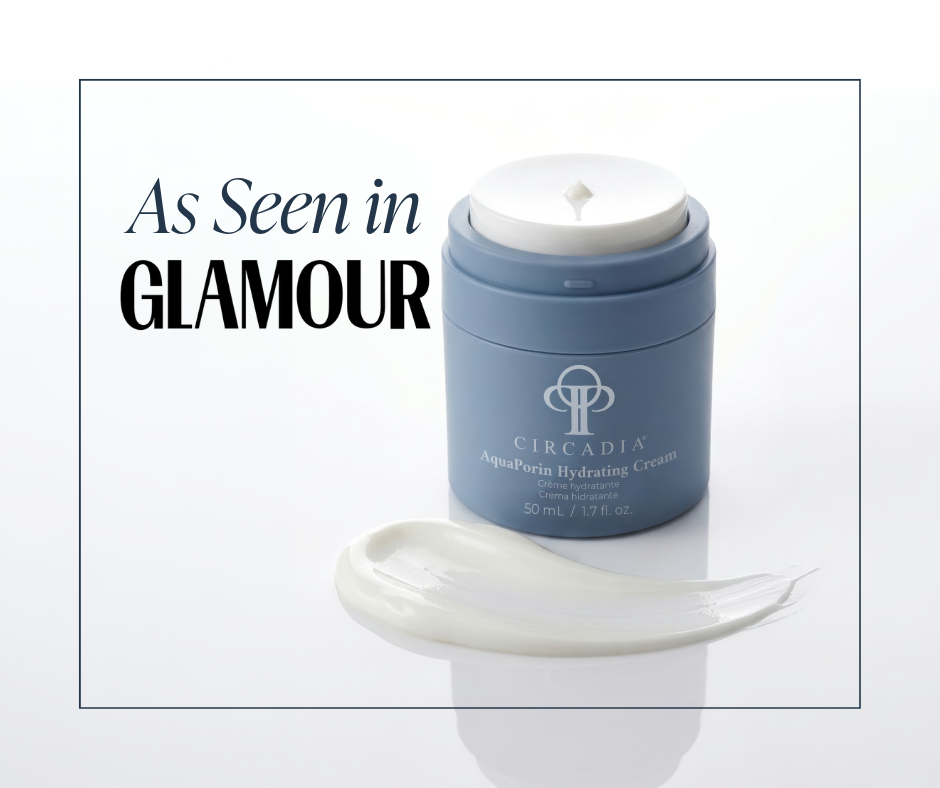
One of the most compelling discussions of the event centered around hydration and the role of aquaporins.
Traditional moisturizers focus on preventing water loss. But true skin hydration is more complex. It depends on how water moves within the skin itself.
Dr. Engelman highlighted why this distinction matters:
“Aquaporin is such an interesting category because it focuses on how water actually moves through the skin. When aquaporin channels are functioning properly, the skin is better able to maintain hydration, which directly impacts plumpness, elasticity, and the appearance of fine lines.”
This mechanism represents a shift from surface-level hydration to a more advanced, functional approach.
“I like formulations that support this process because they go beyond surface-level hydration, they’re helping the skin stay balanced and resilient at a cellular level, which is key for maintaining healthy, youthful-looking skin.”
WHERE CLINICAL PRACTICE MEETS FORMULATION
Throughout the conversation, Dr. Engelman consistently referenced how the ingredients used in Circadia formulations align with what she uses in clinical practice.
When discussing Serum 71, she gave a nod to using brightening agents like tranexamic acid and azelaic acid to peptide technologies that support skin structure and function, the focus remains the same: combining proven ingredients in a way that enhances performance without compromising the skin.
This alignment between in-office treatments and at-home care is what elevates results from short-term improvement to long-term skin health.